
Understanding Glutathione: Its Effects on Skin and Cosmetic Applications
| Glutathioneis a tripeptide composed of three amino acids: cysteine, glutamine, and glycine. It is a powerful antioxidant found in every cell of the body, playing a crucial role in various biological processes, including detoxification, immune function, and the maintenance of cellular health. Glutathione exists in two forms: reduced (GSH) and oxidized (GSSG). The reduced form is the active antioxidant, while the oxidized form is the result of GSH neutralizing free radicals and reactive oxygen species (ROS). | 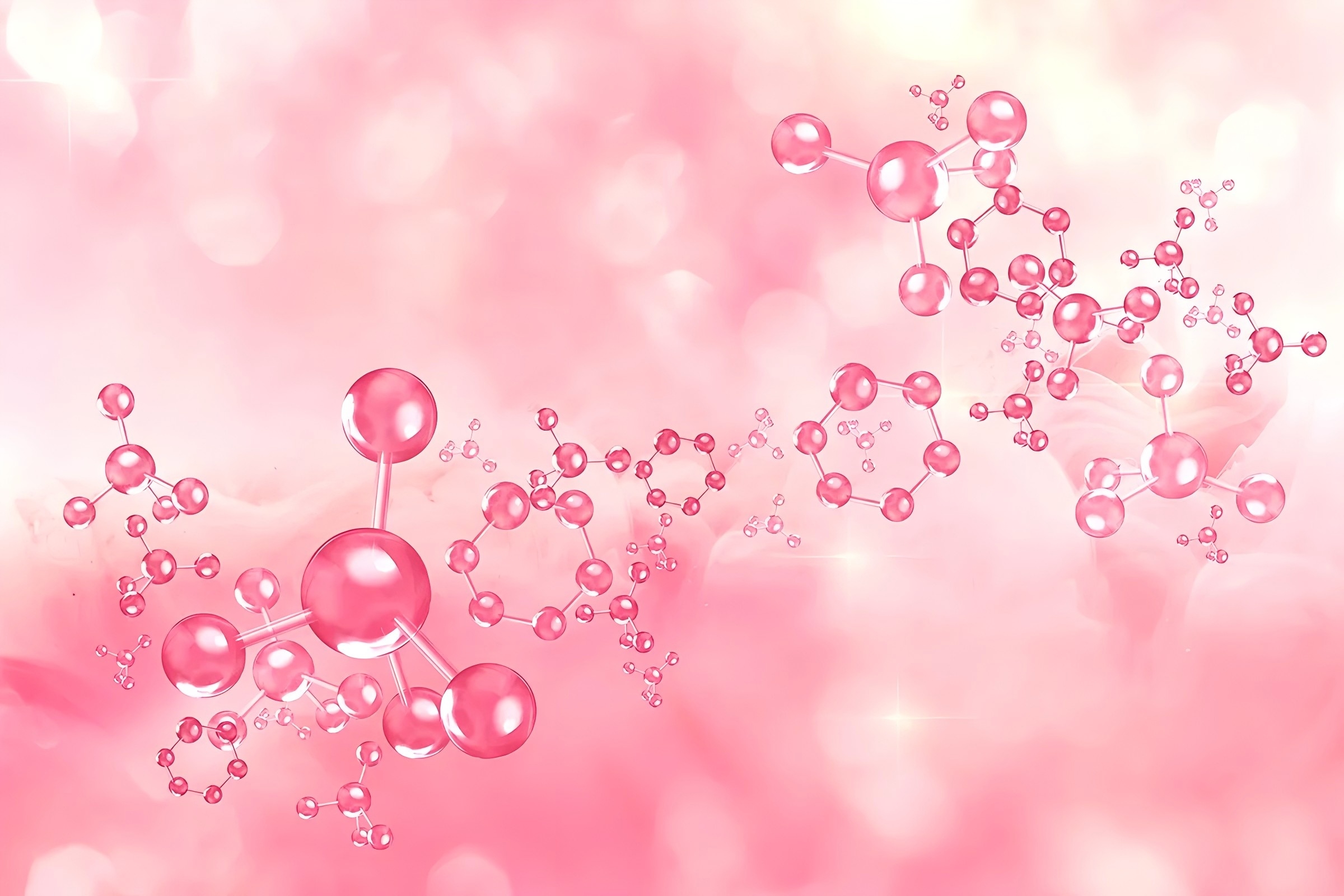 |
Research has shown that glutathione levels can be affected by various factors, including age, diet, and environmental stressors. As we age, the body's natural production of glutathione decreases, leading to increased oxidative stress and a higher risk of chronic diseases. This decline has prompted interest in glutathione supplementation, which is available in various forms, including glutathione powder, capsules, and gummies.
What Effects Does Glutathione Have on the Skin?
Glutathione is often referred to as the "master antioxidant" due to its ability to combat oxidative stress and protect cells from damage. Its effects on the skin are particularly noteworthy, as it can help improve skin health and appearance in several ways:
- Skin Brightening
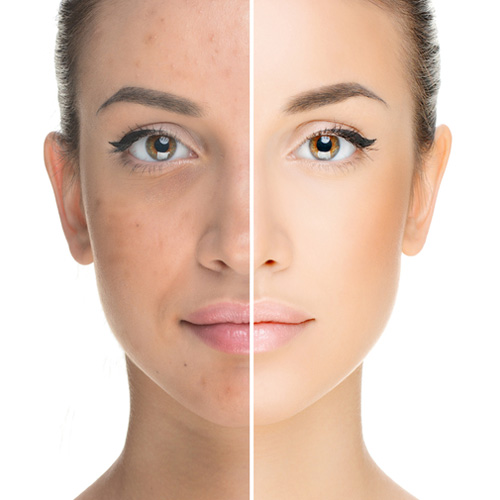
One of the most popular uses of glutathione in skincare is its skin-brightening effect. Research indicates thatglutathione can inhibit the enzyme tyrosinase, which is responsible for melanin production in the skin. A study published in the *Journal of Cosmetic Dermatology* found that topical application of glutathione significantly reduced melanin levels in the skin, leading to a brighter complexion (Kumar et al., 2018). This property has made glutathione a sought-after ingredient in many skin-lightening products.
- Anti-Aging Properties
Glutathione's antioxidant properties also contribute to its anti-aging effects. By neutralizing free radicals, glutathione helps to prevent oxidative damage to skin cells, which can lead to premature aging. A study in the *Journal of Clinical and Aesthetic Dermatology* highlighted that glutathione supplementation could improve skin elasticity and reduce the appearance of fine lines and wrinkles (Huang et al., 2020). This makes glutathione a valuable addition to anti-aging skincare formulations.
- Skin Repair and Healing
Glutathione plays a vital role in the skin's repair processes. It aids in the regeneration of other antioxidants, such as vitamins C and E, enhancing their effectiveness in protecting the skin. Additionally, glutathione has been shown to promote wound healing and reduce inflammation, making it beneficial for individuals with acne or other skin conditions. A study published in *Dermatologic Therapy* found that glutathione could help reduce the severity of acne lesions and improve overall skin texture (Lee et al., 2019).
- Protection Against UV Damage
Ultraviolet (UV) radiation from the sun can cause significant damage to the skin, leading to sunburn, pigmentation, and an increased risk of skin cancer. Glutathione has been shown to provide a protective effect against UV-induced damage. A study in the *Journal of Investigative Dermatology* demonstrated that glutathione could reduce the formation of sunburn cells and DNA damage in skin cells exposed to UV radiation (Kumar et al., 2017). This protective effect makes glutathione an essential ingredient in sunscreens and after-sun products.
What Products Can Glutathione Be Used in Cosmetics?
Given its numerous benefits for skin health, glutathione has found its way into a variety of cosmetic products. Here are some common forms of glutathione used in the beauty industry:
| Glutathione Powder Glutathione powder is a versatile form of supplementation that can be mixed into drinks, smoothies, or skincare formulations. It is often used in DIY skincare recipes, allowing individuals to create customized treatments. However, it is essential to ensure that the powder is of high quality and suitable for topical use. | 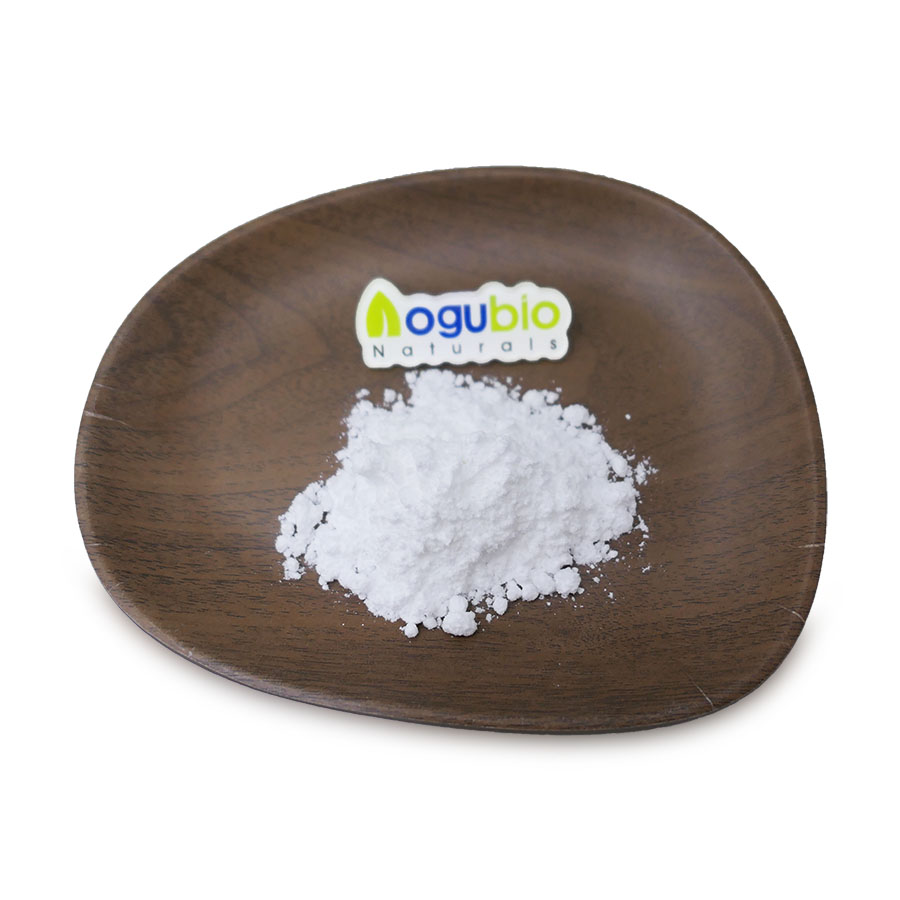 |
| Glutathione Capsules Glutathione capsules are a popular oral supplement option. They provide a convenient way to increase glutathione levels in the body, which can have systemic benefits for skin health. Research has shown that oral supplementation can effectively raise glutathione levels, leading to improved skin appearance and overall health (Wang et al., 2021). | 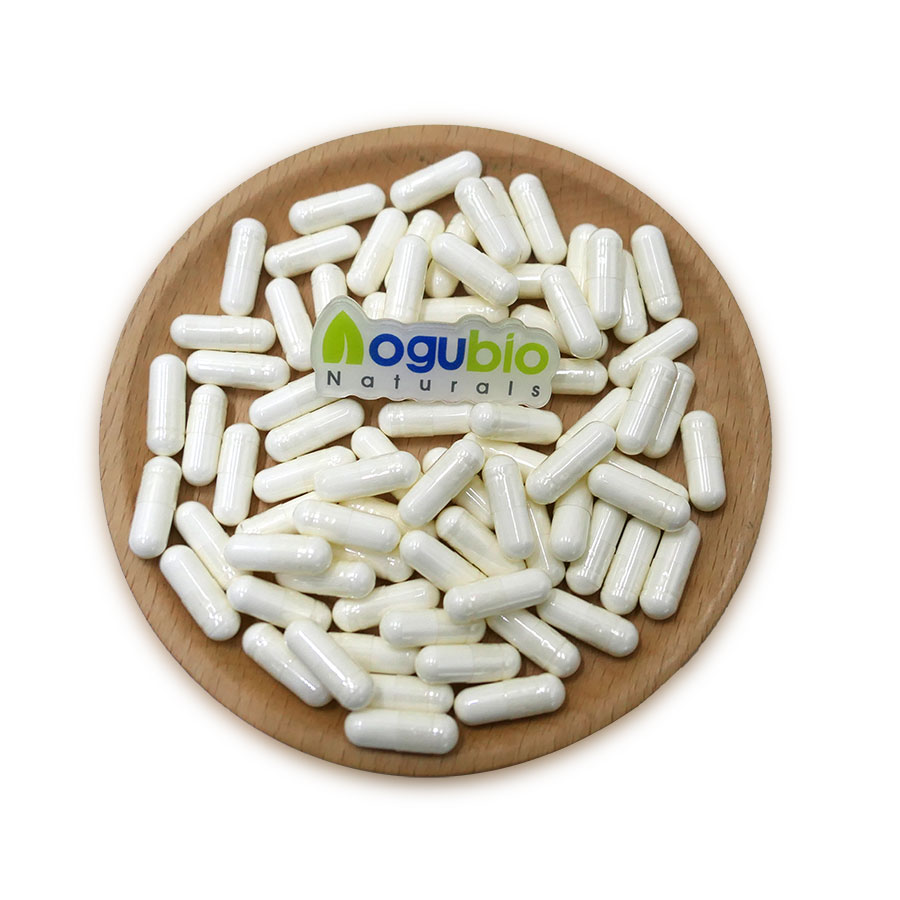 |
| Glutathione Gummies Glutathione gummies have gained popularity as a tasty and convenient way to supplement glutathione. These chewable supplements often contain additional vitamins and antioxidants, enhancing their overall effectiveness. While gummies may not provide as high a dose as powders or capsules, they can still contribute to increased glutathione levels and support skin health. | 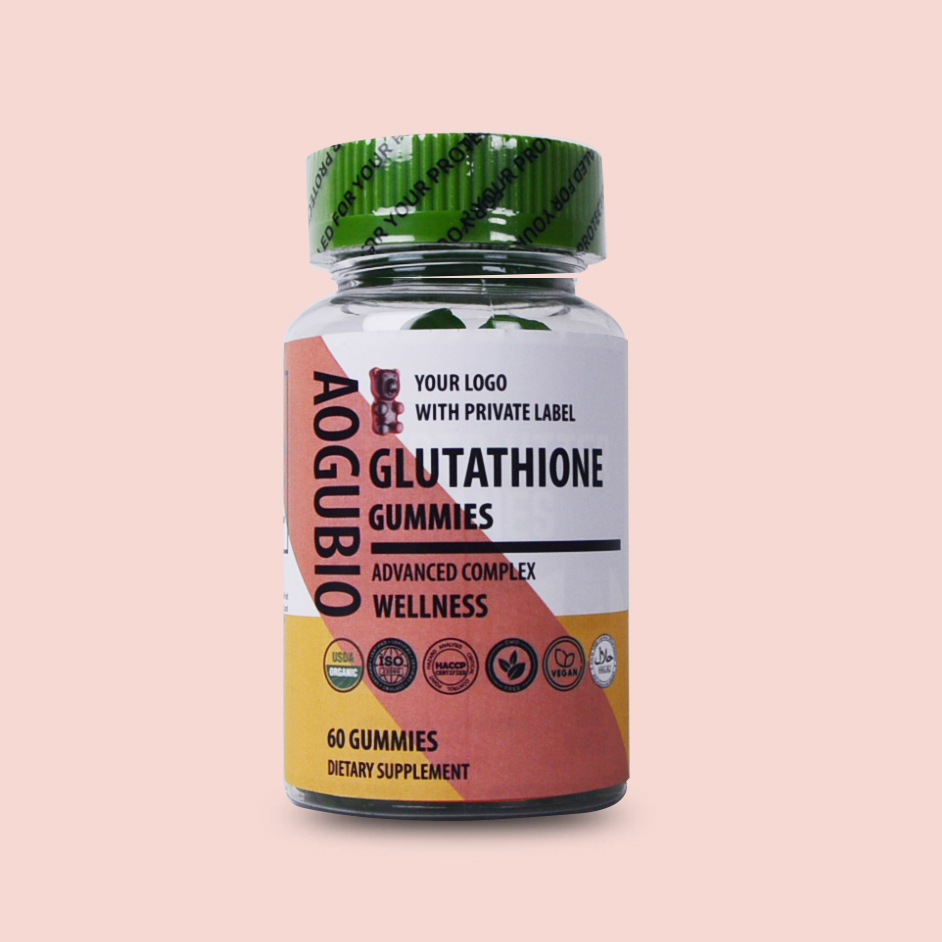 |
Topical Skincare Products
Many skincare brands have incorporated glutathione into their formulations, including serums, creams, and masks. These products often target specific skin concerns, such as hyperpigmentation, dullness, and signs of aging. When applied topically, glutathione can penetrate the skin barrier and deliver its antioxidant benefits directly to the skin.
Injectable Treatments
In some regions, glutathione injections have become a popular cosmetic treatment for skin brightening and anti-aging. These injections deliver a concentrated dose of glutathione directly into the bloodstream, leading to rapid increases in glutathione levels. However, this method should only be performed by qualified medical professionals, as it carries potential risks and side effects.
Conclusion
Glutathione is a powerful antioxidant with numerous benefits for skin health, including brightening, anti-aging, and protection against UV damage. Its versatility allows it to be incorporated into various cosmetic products, from powders and capsules to topical treatments and injectables. As research continues to uncover the full potential of glutathione, it is likely to remain a popular ingredient in the beauty industry.
For those considering glutathione supplementation, it is essential to consult with a healthcare professional to determine the most suitable form and dosage. With the right approach, glutathione can be a valuable ally in achieving healthier, more radiant skin.
- Contact: Coco Zhang
- Email: sales07@imaherb.com
- Tel/WhatsApp: +86 13649212652
- WeChat: 13649212652
References
- Kumar, S., et al. (2018). "Topical Glutathione for Skin Lightening: A Review." *Journal of Cosmetic Dermatology*.
- Huang, Y., et al. (2020). "The Role of Glutathione in Skin Aging." *Journal of Clinical and Aesthetic Dermatology*.
- Lee, J., et al. (2019). "Glutathione and Its Role in Acne Treatment." *Dermatologic Therapy*.
- Kumar, S., et al. (2017). "Protective Effects of Glutathione Against UV-Induced Skin Damage." *Journal of Investigative Dermatology*.
- Wang, Y., et al. (2021). "Oral Glutathione Supplementation: A Review of Efficacy and Safety." *Nutrients*.