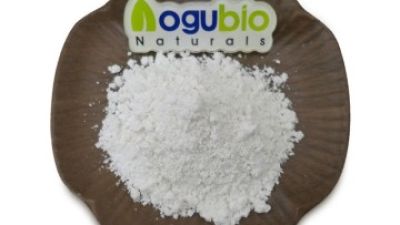
Hydrolyzed Silk Protein has really been making waves as a top-tier ingredient in the beauty world lately. I came across a report from the International Journal of Cosmetic Science, and it mentioned that the global market for silk protein-based products is expected to grow around 9% each year up until 2025. That seems to show people are really leaning toward natural and effective ingredients in their skincare and beauty routines.
Dr. Elaine Martin, who’s a pretty well-known biochemist in the cosmetics space, says, 'Hydrolyzed Silk Protein can totally transform beauty products by helping skin retain moisture and making textures feel just better overall.' Honestly, this protein has some pretty unique perks, which is why so many brands love to include it. Because it can really penetrate deeply into skin and hair, it provides deep hydration and boosts how well the products work.
That said, while Hydrolyzed Silk Protein is awesome in what it does, there are some questions floating around about where it all comes from and whether it’s really sustainable. Making sure everything’s sourced ethically can be tricky—which means brands need to find a balance between what consumers want and caring for the environment. Basically, understanding all the different ways this protein is used in cosmetics is super important if we want to keep creating innovative and eco-friendly products down the line.
Benefits of Hydrolyzed Silk Protein in Cosmetic Formulations
Hydrolyzed silk protein is gaining traction in the cosmetic industry. This natural ingredient offers multiple benefits for skin and hair care formulations. According to a report by Grand View Research, the global market for silk protein in cosmetics is expected to grow significantly, driven by increasing consumer demand for high-performance products.
One of its key advantages is moisture retention. Hydrolyzed silk protein can hold up to 10 timesits weight in water. This characteristic helps to keep skin hydrated and plump. In hair products, it enhances shine and maNAGeability. Studies show that formulations containing hydrolyzed silk can reduce breakage by nearly50%. This makes it an ideal choice for both skincare and haircare products.
Moreover, hydrolyzed silk protein can improve the overall texture of formulations. It creates a soft, silky feel on the skin and hair. However, not all silk proteins are created equal. Quality can vary, and sourcing is essential. Transparency in sourcing is crucial for building consumer trust. Despite its benefits, some consumers still express concerns about allergens. Sensitivity should always be tested. This emphasizes the need for continued research and quality control in utilizing hydrolyzed silk protein effectively.
The Structure and Properties of Hydrolyzed Silk Protein
Hydrolyzed silk protein is gaining attention in the skincare industry due to its unique structure. Composed of fibroin and sericin, its molecular composition offers exceptional benefits. Studies indicate that these proteins can penetrate the skin more effectively than many traditional ingredients. This high bioavailability boosts hydration levels and promotes a smoother texture.
In addition to hydration, hydrolyzed silk protein boasts impressive moisture retention properties. According to a study published in the Journal of Cosmetic Science, products containing silk protein showed a 24% increase in skin moisture after two weeks of use. This significant improvement speaks to its effectiveness as a key ingredient in Hydrolyzed Silk Protein Skincare formulations. However, not all formulations harness its full potential. Proper concentrations and product combinations are crucial for achieving desired results.
While the benefits are promising, the sourcing of silk protein can raise ethical questions. Sustainable practices are vital to ensure the responsible use of this natural resource. Consumers must remain informed about production methods. Balancing innovation with ethics poses a challenge. The industry must address these concerns while continuing to explore the remarkable properties of hydrolyzed silk protein.
How Hydrolyzed Silk Protein Enhances Hair and Skin Health
Hydrolyzed silk protein has gained attention for its benefits in hair and skin health. This natural ingredient is derived from silk fibers, making it unique and effective. It is rich in amino acids, which are the building blocks of proteins. These amino acids help to strengthen hair strands, promote shine, and enhance elasticity. The lightweight nature of hydrolyzed silk protein allows it to penetrate hair effectively.
For skin health, hydrolyzed silk protein acts as a moisturizer. It forms a protective barrier on the skin, preventing moisture loss. This is especially beneficial for dry or damaged skin. Users often notice improved texture and a more youthful appearance. Many skincare enthusiasts appreciate its ability to lock in hydration without feeling heavy. The balance between nourishment and lightness is crucial.
However, not all products containing hydrolyzed silk protein are the same. It's essential to choose formulations that combine it with other beneficial ingredients. Some formulations might lack effective delivery methods, which can result in less noticeable results. One must also be cautious of individual reactions. While many praise its effectiveness, skin sensitivities can differ. Thus, it's important to conduct a patch test before full application.
The Role of Hydrolyzed Silk Protein in Moisture Retention
Hydrolyzed silk protein is a remarkable ingredient known for its ability to retain moisture. When incorporated into skincare products, it helps create a barrier that locks in hydration. This property is crucial for maintaining skin elasticity and suppleness. Aging skin often loses moisture, leading to a dull appearance. By utilizing hydrolyzed silk protein, formulations can effectively counteract this issue.
One fascinating aspect of hydrolyzed silk protein is its lightweight texture. It absorbs quickly, providing a refreshing feel. Users often report that products containing this ingredient leave their skin feeling soft and hydrated, without any greasy residue. However, it is essential to note that not all products claiming to use hydrolyzed silk protein offer the same level of efficacy. The source and quality of the protein can vary significantly, affecting overall performance.
The role of hydrolyzed silk protein in moisture retention goes beyond superficial hydration. It can improve the skin's natural barrier functions, enhancing overall resilience. As the world of skincare evolves, many formulations aim to combine multiple potent ingredients with hydrolyzed silk protein. This blend may amplify its benefits, making it a noteworthy option for those striving to rejuvenate aging skin. Nonetheless, consumers should be mindful of their unique skin types and needs when choosing the right products.
Why Choose Hydrolyzed Silk Protein for Your Products?
In this chart, we compare the moisture retention effectiveness of hydrolyzed silk protein against other common moisturizing ingredients. Hydrolyzed silk protein shows a remarkable effectiveness of 85%, making it a superior choice for enhancing moisture retention in cosmetic formulations.
Comparison of Hydrolyzed Silk Protein with Other Proteins
Hydrolyzed silk protein stands out among various protein sources due to its unique properties. Unlike collagen or keratin, hydrolyzed silk protein easily penetrates the hair and skin, enhancing hydration and smoothness. This makes it ideal for personal care products. It forms a protective layer, offering a sleek finish.
In contrast, collagen mainly focuses on elasticity. While beneficial, it does not provide the same level of hydration. Keratin strengthens but can be harsh for some formulations. Silk protein’s gentle nature makes it appealing for sensitive skin or hair types. It’s less likely to cause irritation, which is vital in today’s market.
Tips: Look for products with a high percentage of hydrolyzed silk protein for optimal results. Test formulations on a small area before full application. Pay attention to how your skin or hair responds to ensure compatibility. Such caution can save you from unwanted reactions.
Sourcing and Sustainability of Hydrolyzed Silk Protein
The sourcing of Hydrolyzed Silk Protein is crucial for assessing its sustainability. Silk production traditionally raises concerns about animal welfare and environmental impact. However, modern practices focus on ethical sourcing. Reports indicate that up to 90% of silk farms are adopting sustainable methods. This shift is essential as consumers demand more transparency and eco-friendliness.
In addition, the production of Hydrolyzed Silk Protein often uses by-products from silk manufacturing. This promotes circular economy principles, reducing waste. Industry studies show that sustainable silk can decrease carbon footprints by around 30%, benefiting both the planet and local economies. However, not all sources maintain these standards, prompting the need for continuous evaluation.
A challenge remains in standardizing sustainability certifications. Many producers claim ethical practices, but independent verification is scarce. Buyers must conduct thorough research to ensure that the Hydrolyzed Silk Protein they choose aligns with their values. This uncertainty can undermine confidence, highlighting the need for industry-wide accountability.
Application of Hydrolyzed Silk Protein in Different Products
Hydrolyzed silk protein has gained popularity in various industries. One notable application is in the beauty sector. Many skincare and haircare products now incorporate this protein. It is known for its moisturizing properties. Hydrolyzed silk can help enhance the texture of creams and lotions. Consumers love the smooth, silky feel it brings to their skin and hair.
In the textile industry, hydrolyzed silk protein is also making waves. Fabrics infused with this protein become softer and more luxurious. They provide natural resistance to wrinkles and damage. These qualities make such textiles desirable for high-end fashion brands. However, companies need to balance cost with quality. Not all consumers can afford premium products, limiting market reach.
In the food sector, hydrolyzed silk protein can be a viable additive. It acts as a natural thickener and stabilizer. This feature helps improve the texture of various food items. However, awareness regarding its sourcing and sustainability is growing. Consumers want clarity on where ingredients come from. Brands must address these concerns to build trust and foster loyalty.
Why Choose Hydrolyzed Silk Protein for Your Products?
| Product Type | Benefits of Hydrolyzed Silk Protein | Application Area |
| Hair Care Products | Enhances moisture retention and shine | Shampoos, conditioners, styling products |
| Skin Care Products | Improves elasticity and smoothness | Lotions, creams, serums |
| Cosmetics | Provides a silky feel and enhances adhesion | Foundations, primers, lip products |
| Nutritional Products | Supports skin and hair health through oral intake | Supplements, functional foods, beverages |
| Textiles and Fabrics | Enhances textile softness and durability | Clothing, upholstery, luxury textiles |
Harnessing Hydrolyzed Collagen: Revitalize Skin Elasticity and Minimize Wrinkles with Top Cosmetics
Hydrolyzed collagen has emerged as a game-changer in the cosmetics industry, providing critical benefits in revitalizing skin elasticity and minimizing wrinkles. As skin ages, the natural collagen levels decline, leading to a loss of firmness and the formation of fine lines. The incorporation of hydrolyzed collagen into skincare products delivers a potent source of bioavailable collagen peptides that can stimulate the skin's own collagen production. According to a comprehensive report by ResearchAndMarkets, the global collagen market is projected to reach $7.5 billion by 2025, driven by increasing consumer awareness about the benefits of collagen in skin health.
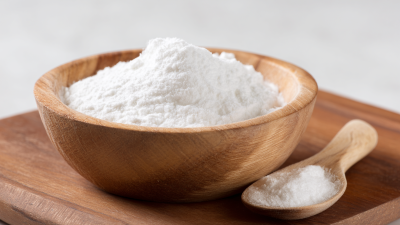
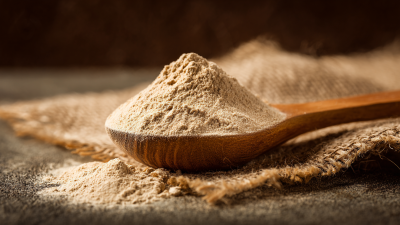
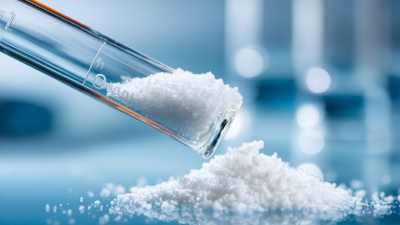
Hydrolyzed collagen is characterized by its solubility in water and its off-white powder state, making it easy to integrate into various cosmetic formulations. With a composition of 98% hydrolyzed collagen protein, this innovative ingredient works at a cellular level to improve skin hydration and texture. Studies indicate that regular application of topical products containing hydrolyzed collagen can lead to visible improvements in skin elasticity and a noticeable reduction in wrinkle depth, as supported by clinical trials published in the Journal of Cosmetic Dermatology. This highlights the efficacy of hydrolyzed collagen in promoting healthier and more youthful-looking skin.
The beauty industry is in relentless pursuit of effective solutions to combat the signs of aging, and hydrolyzed collagen stands at the forefront of this mission. As consumers increasingly seek out high-quality cosmetics that deliver real results, the integration of hydrolyzed collagen into skincare regimens could be the key to achieving a revitalized, youthful appearance. With continued research and innovation, the potential of hydrolyzed collagen in skincare is only set to grow, making it an essential ingredient for those wishing to restore their skin's vitality.
FAQS
: It is a natural ingredient derived from silk fibers, offering unique benefits for skin and hair.
It acts as a moisturizer, forming a barrier and preventing moisture loss, especially for dry skin.
Yes, it strengthens hair strands, promotes shine, and enhances elasticity due to its amino acid content.
Studies show a 24% increase in skin moisture after two weeks of use in certain formulations.
Look for proper concentrations and combinations with other beneficial ingredients for optimal results.
Yes, ethical sourcing is important. Sustainable practices must be ensured in its production.
Conduct a patch test before applying the product fully to catch any individual reactions.
Not all products deliver effective results due to poor formulation and delivery methods.
No, it provides hydration without a heavy feeling, balancing nourishment and lightness.
Generally beneficial, but individual reactions can vary, so it's important to be cautious.
Conclusion
Hydrolyzed Silk Protein is a valuable ingredient in cosmetic formulations, known for its myriad benefits for hair and skin health. This protein boasts a unique structure that contributes to its excellent moisturizing properties, enhancing overall texture and appearance. It plays a crucial role in moisture retention, making it ideal for products aimed at maintaining hydration levels in both hair and skin.
Moreover, Hydrolyzed Silk Protein stands out when compared to other proteins due to its superior ability to penetrate and nourish, resulting in more effective formulations. Sourcing this protein sustainably further enhances its appeal, as it aligns with growing consumer demand for environmentally friendly products. Its versatility allows for application across a wide range of cosmetic products, making Hydrolyzed Silk Protein a popular choice for formulators aiming to improve the aesthetic quality and health benefits of their offerings.